Destinations in Indonesia
Views:438734
Home » Raja Ampat » The Flightless Cassowary, Shy but Intimidating
The Flightless Cassowary, Shy but Intimidating
Fixed Dimensions
-
-
-
Raja Ampat1
-
Raja Ampat2
-
Raja Ampat3
-
Raja Ampat4
-
Raja Ampat5
-
Raja Ampat6
-
Raja Ampat7
-
Raja Ampat8
-
Raja Ampat9
-
Raja Ampat10
-
Raja Ampat11
-
Raja Ampat12
-
Raja Ampat13
-
Raja Ampat14
-
Raja Ampat15
-
Raja Ampat16
-
Raja Ampat17
-
Raja Ampat18
-
Raja Ampat
-
Raja Ampat
-
Raja Ampat
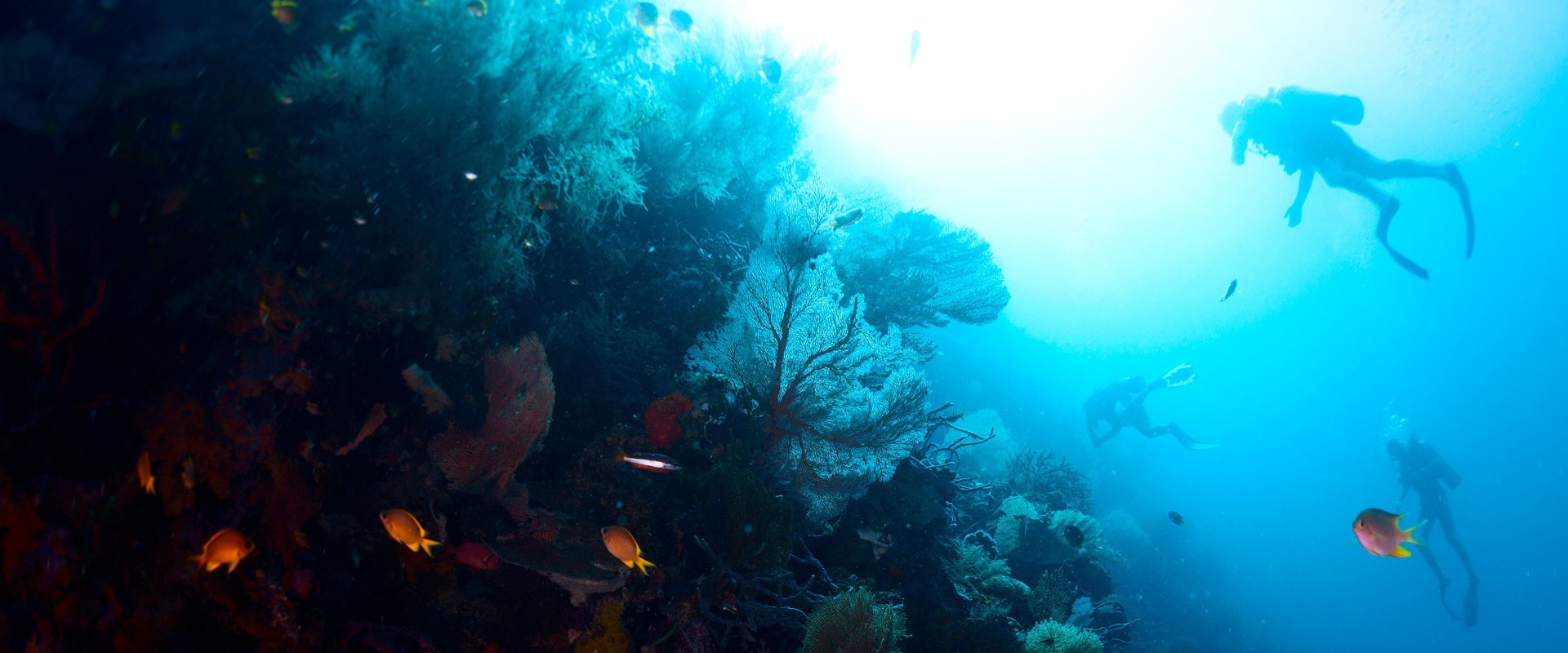
Underwater scenery of Raja Ampat diving spot.
Overview
Of the 1,500 species of birds in the abundant wildlife of Raja Ampat, there is one large flightless yet intimidating bird that many of us may find quite fascinating – the Cassowary.
Of the three living species of Cassowary, the Southern Cassowary or Double-wattled Cassowary is found here in Indonesia namely, in Papua and the Seram and Aru Islands of the Moluccas. It is the world’s largest forest bird, second-heaviest after the ostrich, and third-tallest after the ostrich and the emu. The 2004 Guinness World Records also lists it as the world’s most dangerous bird. The other two species are the Northern Cassowary and Dwarf Cassowary.
Unlike most birds where the male of the species is more attractive, it is the female Cassowary which is the heavier and more brightly coloured. Blue-face and neck with two unmistakable dangling red wattles from its throat, three-toed including a deadly 12cm long dagger-like claw on the inner toe, black-plumed with a horn-like brown casque upon its head, an adult cassowary can stand up to a menacing 1.8 metres in height and weighs between 17 to 70 kg. Young and immature cassowaries are plain brown.
Generally thought of as shy, the Cassowary can be dangerous and ill-tempered when cornered or threatened. Should it lash out, its powerful feet and sharp claws could inflict a fatal blow on a dog or adult human. Keep your distance from this bird.
Low-hanging fruits and fruits on the forest floor are part of the Cassowary’s main diet, even some that are toxic to others. A Cassowary will usually remain and defend a fruit-dropping tree from others for days. The fruits are swallowed whole. This is an integral role in the ecosystem of its habitat as the seeds are excreted and distributed in this manner throughout its habitat.
Cassowaries also eat fungi, flowers, snails, insects, frogs, birds, fish, rats, mice, carrion and sometimes even snakes.
Usually solitary, Cassowaries pair only during mating season. They make a booming sound for their mating call; otherwise they make a hissing or rumbling sound. In a soft herbaceous nest on the ground, well hidden and sheltered in tall grass, the male incubates the clutch of 3 to 6 bright, pea-green eggs which fade with age. When the eggs hatch, the male continues to raise the chicks alone.
Under the IUCN Red List of Threatened Species, the Cassowary is listed as Vulnerable due to loss of its natural habitat, limited range and over-hunting in the past decade.
A close relative of the Cassowary is the Kiwi.
Such a beautiful and unique bird! Let us strive to help the Cassowary, along with many other threatened creatures in the wild, remain on our wonderful earth for a long time to come.
Related Destinations
- Um Island, Raja Ampat
- Wayag Island, Raja Ampat
- Sawinggrai Village
- The Bay of Triton
- Patimburak Old Mosque
- Arborek Tourism Village, Raja Ampat
- Japanese Army Fortress
- Ancient Sites of Kokas
- Kamaka Lake
- Sauwandarek Tourism Village
- Cendrawasih Bay National Park: Playground of the spotted Whaleshark
- Manokwari
- Sorong
- Wonderful Waigeo Island of Raja Ampat
- Pulau Misool : Raja Ampat’s spectacular world class Dive Destination
- Kofiau Island in Raja Ampat – rarely visited corner of a diver’s Paradise