


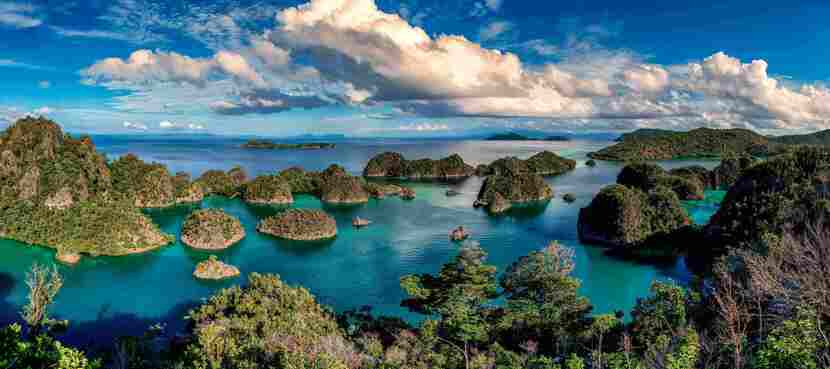



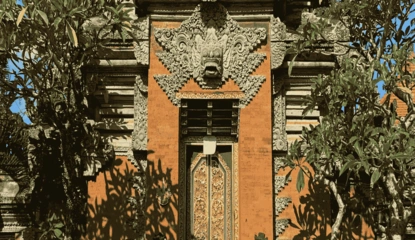


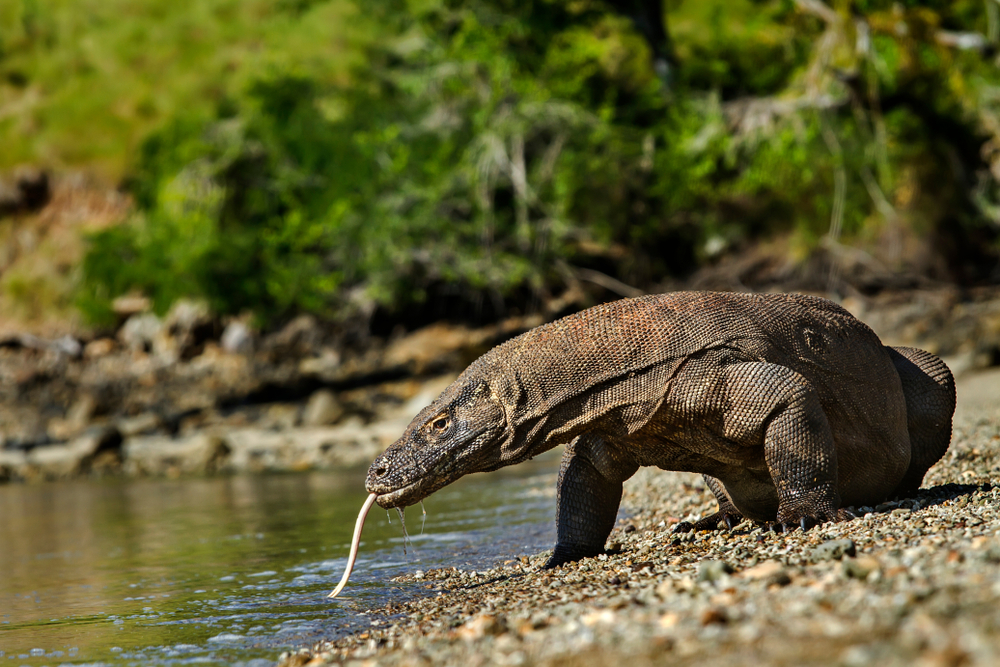
Indonesia is home to extraordinary natural wonders, and Komodo National Park stands out as one of its most remarkable destinations. Located in East Nusa Tenggara, this protected area is globally renowned as the natural habitat of the Komodo dragon and as a landscape of dramatic hills, pristine islands, and vibrant marine ecosystems. Its global significance has earned it recognition as a UNESCO World Heritage Site.
For travelers seeking meaningful journeys, Komodo National Park offers more than scenic beauty. It presents a unique blend of wildlife encounters, conservation values, and unforgettable nature-based experiences. Whether you are traveling solo, with friends, or with family, this destination provides a deep connection to Indonesia’s natural heritage.
History of Komodo National Park and Outstanding Universal Value
Established in 1980, Komodo National Park was initially created to protect the Komodo dragon, the world’s largest living lizard. In 1991, UNESCO recognized the park for its outstanding universal value, highlighting both its terrestrial and marine biodiversity. The park represents important ecological processes and evolutionary history that continue to shape the region today.
Beyond the iconic Komodo dragon, the park shelters savannas, monsoon forests, coral reefs, seagrass beds, and mangrove ecosystems. This remarkable diversity makes Komodo National Park one of Southeast Asia’s most important conservation areas.
Natural Attractions and Experiences
The main islands of Komodo, Rinca, and Padar are the highlights of any visit. Padar Island is famous for its panoramic viewpoints overlooking crescent-shaped bays, while Komodo and Rinca Islands offer guided wildlife encounters with Komodo dragons under ranger supervision. The surrounding waters are equally spectacular, attracting snorkelers and divers from around the world.
Marine attractions such as vibrant coral reefs and manta ray habitats make the park a global diving hotspot. Strong ocean currents support rich marine life, creating colorful underwater landscapes that are both challenging and rewarding for experienced divers.
Management and Conservation Efforts
Komodo National Park is managed through a sustainable tourism approach that balances visitor access with environmental protection. Zoning systems, visitor limits, and conservation education programs are implemented to preserve the park’s fragile ecosystems. Local communities are actively involved in tourism services, ensuring that conservation efforts also support livelihoods.
These initiatives position Komodo National Park as a model of responsible heritage tourism, where conservation and visitor experiences enhance one another.
Suitable for All Types of Travelers
The park is ideal for solo travelers seeking adventure and reflection, groups of friends enjoying island hopping and marine activities, and families looking for educational nature experiences. With proper planning and official guides, Komodo National Park remains accessible, safe, and enriching for visitors of all ages.
How To Get There
Komodo National Park can be reached via several transportation routes, including air, land, and sea, depending on the traveler's point of departure. For air travel, visitors can fly into Komodo International Airport (LBJ) before continuing by land and sea to the national park area. Air travel is typically the most practical choice for travelers from outside the region, as it significantly reduces travel time.
For those wishing to experience a journey by land and sea, access to the national park can be achieved through a combination of ground vehicles and sea crossings via boat or ship. This route requires careful planning, particularly regarding boat schedules, weather conditions, and seasonal timing. Upon arriving near the national park area, visitors can utilize rental cars, motorcycles, or local transportation to explore the surroundings before entering the conservation zone.
As one of Indonesia’s flagship destinations, Komodo National Park invites travelers to explore responsibly, appreciate deeply, and leave with lasting respect for the natural world.


